
Sunday by Sunday in our Holy Communion services we proclaim: Glory to God from generation to generation. It is a statement of faith that down the generations, God continues to be faithful and that the Church will continue its ministry and mission in the world, even as times change, as they constantly do.
The Church exists in a succession of generations, and often the shift from one to another feels entering the deepest of mysteries.
I don’t need to tell you that times have very much changed! Many of us still remember the times when many more people went to church regularly, and our buildings hummed with energy. We often struggle to think about how we can entice young people back to church, when in fact the movement away from organized religion has been ongoing for decades.
When I was ordained in 1999, we spoke of Generation X and why they left the Church. We are currently in the middle of Generation Z as now Generation Alpha makes its presence known with implications for all religions.
Gary Nicolosi talks about this in his book Culture Shift: Leading a Growing Church in Uncertain Times which a group of us studied this past fall. Understanding the succession of generations can help us to make more informed decisions as we strategize the best ways to be the Church in the present.
Great Times: Institutional Shifts
Much of our current parish infrastructure dates from the baby boom – a generation born between 1946-1964 during a time of growth and prosperity. The parents of the baby boomers belonged to the Silent Generation (1928-1945), of whom more than 80% were active in Church.
Growing suburbs were where many mainline dominations planted churches with the assurance they would thrive. During this time the Canadian family had on average 4 children; it was a massive demographic cohort. Sunday Schools were full, and every church had a youth group. Church was an important social hub for the community beyond just the Sunday morning gathering; it was a place where much of life played out.
It was our heyday. With nostalgia we wonder: what happened? Was there something we could have done to stem the exodus? As baby boomers reached adulthood, many rejected the faith of their parents. We begin to see the emergence of “Dones”, those who may have grown up in Church but left it behind. For many, it became irrelevant to them.
This demographic change, over which we had no control, had profound impacts upon our parishes. The worst response has been to blame: our clergy, ourselves, our society – even Sunday shopping!! It caused splits in the Anglican foundation as we disagreed over the causes of this shift and blamed each other.
We cannot control demographic trends, but we can control how we respond and think creatively about the structures that sustain us. Many of our beloved parishes were constructed during the boom times, but as we strategize how to flourish today, it is important to honour our vibrant past but plan for a sustainable future.
Changing Times
Subsequent generational cohorts have emerged each with evolving views of church, faith, and religion. Generation X (1965-1980) moved more clearly away from organized, institutional religion. Now spiritual practice became more and privatized. At the same time, the religious “marketplace” became increasingly diverse, offering more choices than the mainline denominations alone. Think of the rise of churches like Willow Creek, for example.
Millennials or Gen Y (1981-1996) saw the emergence of the Internet and were the first to use early social media platforms. This brought new access to information and the sharing of ideas. This generation grew up with few memories of cultural Christianity, and for whom traditional religious language and terminology felt obsolete. It is not that millennials are not spiritual; it is just that they find little meaning in an institutional faith and theology in which they were not raised.
The biggest shift here is that spiritual practice has become individualized and removed from religious institutions. People do not feel the need for Church as they practise yoga, meditation or spend time in nature. For the Church, this does not mean abandoning our core beliefs and the traditions that anchor us, but acknowledging that we are no longer the only spiritual place in people’s lives.
Our opportunity lies in the creation of community that invites and welcomes the experience of others beyond the Sunday morning liturgy. People are far more interested in sharing spiritual practice than we may realize: are we willing to extend ourselves and make space for this?
We are amid Generation Z (2001-2024) who are the least religious generation in history. Yet, with the uncertainty in the world including the COVID-19 pandemic, the rising cost of living, war in Ukraine and the rise of Trumpism, a return to religious observance of this generation has been noticed.
Talk of a Gen Z revival is overblown, but a plateauing out of the exodus from Church is happening. Why? Gen Z craves connection, purpose, and substance, leading some to explore faith for deeper meaning. They have been drawn towards traditional forms of faith including Orthodox, Roman Catholic and (surprise!) Anglican churches. Organized religion can offer community and security that is critical for Zoomers, which goes to show you that you never know how times might change.
The Alpha Generation
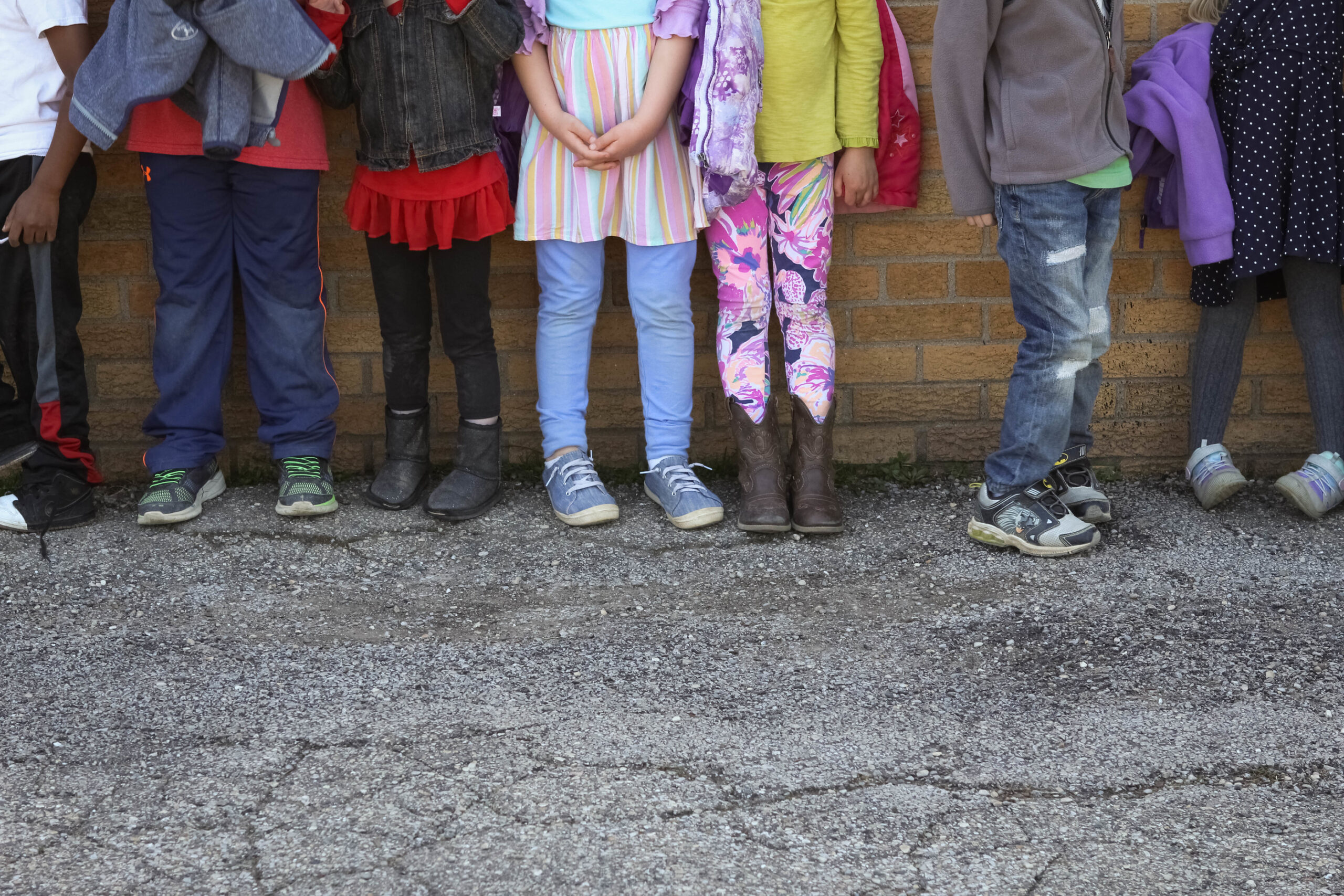
Which brings me to the emerging Generation Alpha (2010-2024). Worldwide this is the largest generational cohort ever with more than 2 billion and growing. This is the most technologically savvy generation for whom smart phones are the way they interact with their world. They went through COVID-19 which interrupted their education, and they are part of a global experiment, for screens were placed before them from the youngest age. We are all living now in a great screen age, but with over three hours of daily screen time has impacted this generation’s view of the world.
Yet, Generation Alpha are much more spiritually engaged than we might realize. Smart phones and AI allow for a highly individualized spiritual practice. They explore faith through social media as well as practices like meditation and manifestation.
Generation Alpha learn through short, visual, interactive content, so churches reach them best through embodied storytelling (Godly Play, drama, art, music), micro-videos that invite participation, and strong partnerships with parents and caregivers. To serve them well, make church a safe, joyful place of belonging where kids can ask real questions, practice simple prayer habits, and join hands-on acts of kindness so faith is experienced, not just explained.
If you have questions as to how to put this in practice, please reach out to me; we can explore how to enrich the church experience for Gen Alpha – and perhaps for older generations too!